Roadside Emergency Checklist: What to Keep in Your Car
This practical checklist covers the basics worth keeping in a daily driver or road-trip car. Use it as a starting point, then adapt it for your weather, passengers, vehicle, and regular driving distance.
We may earn a commission if you buy through links in this guide, at no extra cost to you.
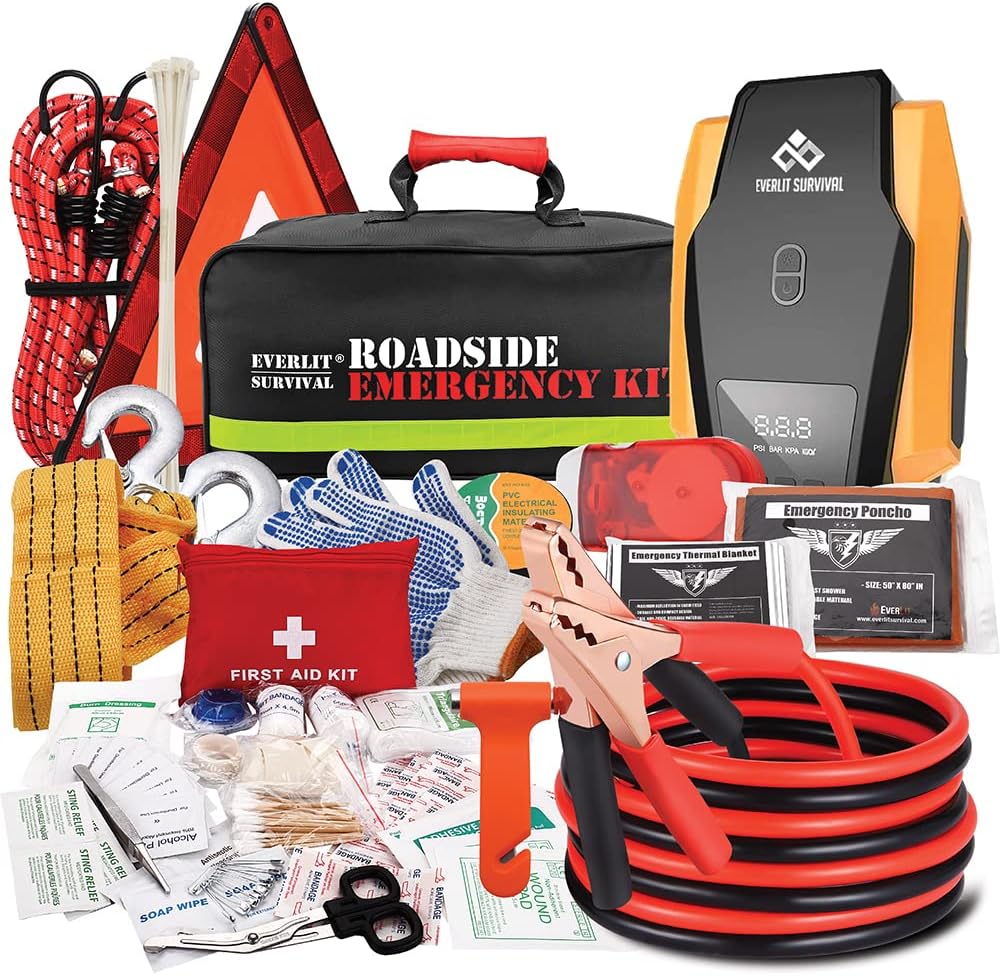
A roadside kit is for the unexpected stop
The useful items are the ones that help you stay visible, stay warm, handle a small problem, and wait safely when a trip does not go as planned. Keep the kit reachable, not buried under luggage.
Before you buy anything
Check your spare tire, jack, lug wrench, tire pressure, fluids, and emergency contact information first. The best kit supports a vehicle that is already maintained.
Core roadside basics
- Phone charger: Keep a reliable car charger and cable in the vehicle.
- First-aid kit: Carry a ready-made kit that suits your household and replace used or expired supplies.
- Flashlight: Add fresh batteries or use a rechargeable model that you check regularly. A rechargeable headlamp like the Nitecore NU25 headlamp keeps both hands free while you work.
- Warning devices: Reflective triangles, flares, or emergency markers make a stopped vehicle easier to see.
- Jumper cables or a jump starter: Keep the instructions with the tool and make sure it is charged if it has a battery. A compact option like the Noco Boost Plus jump starter can start most car batteries without another vehicle nearby.
- Water and a basic blanket: Adjust the amount for your climate, passengers, and trip length.
Tire and visibility kit
- Tire pressure gauge: Check tires when they are cold and use the vehicle placard or owner’s manual, not the maximum number printed on the tire sidewall.
- Spare, jack, and lug wrench: Confirm they are present and appropriate for your vehicle before a trip.
- Portable tire inflator: Useful for topping off a low tire before you can reach a service location. A 12V option like the AstroAI portable air compressor covers most passenger tires.
- Tire repair kit: A temporary option for a simple puncture when you know how to use it. Tire damage still deserves professional inspection. A plug kit such as the Autown tire repair kit can hold you over until you reach a shop.
- Work gloves and a reflective vest: Useful for handling a wheel change or waiting safely beside the road.
Road trip additions
- Paper map or offline map access: Helpful where cell service is unreliable.
- Simple rain layer: Keep one that fits the season and the people who travel in the car.
- Seasonal items: Add warm layers and traction-appropriate gear for winter, or sun and heat protection for summer travel.
- Medication and family essentials: Pack only what your household needs and check it before longer trips.
A five-minute check before a longer drive
- Check tire condition and pressure, including the spare if your vehicle has one.
- Confirm the phone charger, flashlight, and jump starter are ready to use.
- Look over the vehicle for warning lights, fluid leaks, or obvious tire damage.
- Make sure the kit is still accessible under luggage and cargo.
- Share the route and expected arrival time with someone when the trip is long or remote.
Useful next steps
For more detailed buying help, see our best roadside emergency kits guide, portable jump starter guide, portable tire inflator guide, and tire repair kit guide. You can also browse current road trip gear deals for live prices across these categories.
How we built this checklist
The checklist draws on current roadside-preparedness guidance from the National Highway Traffic Safety Administration and the American Red Cross. It is general preparation information, not vehicle repair or medical advice.
Keep your locks working smoothly
See our car lock maintenance guide for lubrication tips, frozen lock fixes, and key fob battery care.