Car gear guide

Car Lock Maintenance: Lubrication, Frozen Locks, and Key Fob Batteries

A few minutes of car lock maintenance a couple times a year can help you avoid getting locked out of your own car, whether that is a stuck lock cylinder, a frozen lock in winter, or a key fob that suddenly stops responding. Here is what actually works, based on current locksmith and manufacturer guidance.

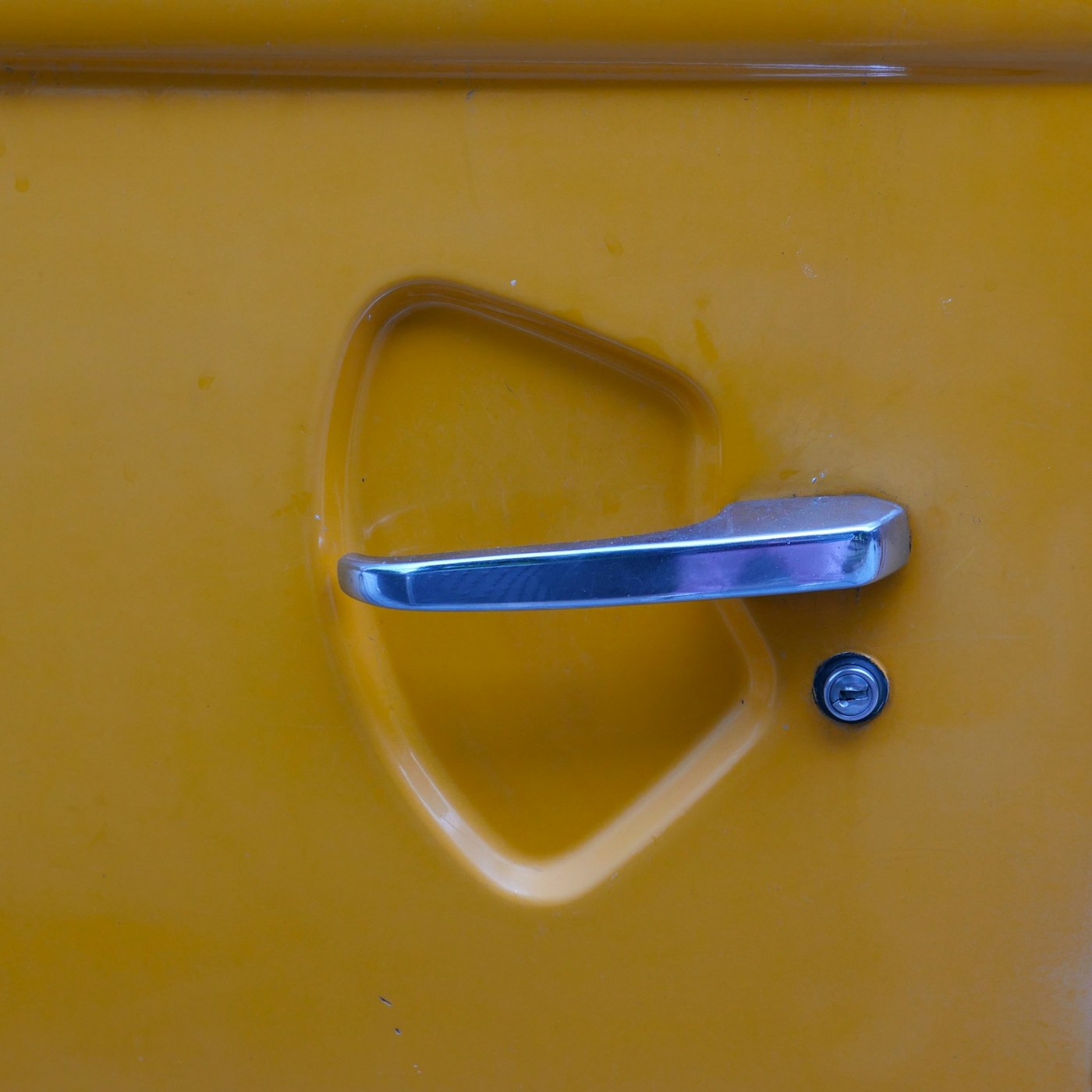
Close-up of a car door handle and lock cylinder

Where car locks fail

Car locks are simple mechanisms that get neglected until something goes wrong: a stiff cylinder, a frozen lock on a cold morning, or a key fob that stops working at the worst time.

  • Regular lubrication keeps the lock cylinder turning smoothly and helps keep moisture out.
  • The wrong lubricant (like standard WD-40 multi-use oil) can attract dirt and gum up a lock over time.
  • Key fob batteries are a simple, predictable maintenance item most people ignore until the fob stops responding.

Last updated: July 21, 2026

Lubricating your car locks the right way

Can of silicone lock lubricant spray

Locksmiths and lock manufacturers consistently point to the same guidance: use a dry lubricant, such as a silicone or PTFE (Teflon) spray, rather than a general-purpose penetrating oil. Standard WD-40 multi-use oil can loosen a stuck lock in the short term, but it is a wet lubricant that attracts dust and grime, which can gum up the internal pins over months of use. A dry silicone spray leaves a cleaner, longer-lasting film.

To lubricate a lock cylinder, insert the nozzle or straw into the keyway and apply a short burst, then insert the key and turn it several times to work the lubricant through the pins. Wipe away any excess from the outside of the lock. Doing this once or twice a year, or any time a lock starts to feel stiff, is enough for most vehicles.

Graphite powder is an older alternative still used by some locksmiths, but it does not mix well with any existing moisture inside the cylinder and can form a paste. A silicone or PTFE spray is the more forgiving, all-weather choice for most drivers.

Preventing and fixing frozen locks

Car door handle covered in fresh snow and frost

Locks freeze when moisture already inside the cylinder drops below freezing, often after washing a car the night before a cold snap. The fastest fix is a dedicated lock de-icer spray, most are isopropyl-alcohol-based formulas designed to melt the ice and lubricate the lock in one step. Warming the key itself (in your hand, or briefly with a lighter used carefully) can also help if you do not have de-icer on hand.

What locksmiths and manufacturers consistently warn against: never pour boiling or even hot water on a frozen lock. It can crack cold plastic trim, and refreezing almost always makes the problem worse. Applying a dry lubricant to your locks before winter weather hits is the more reliable long-term prevention than reacting to a frozen lock after the fact.

Key fob battery care

Black car key fob

Most car key fobs use a CR2032 3-volt lithium coin battery, a fading signal, needing to press the button multiple times, or a shorter working range are the usual signs it is due for a change. Manufacturer and retailer guidance generally points to replacing it every one to two years, regardless of symptoms, since a fob battery that is about to die tends to fail without much warning.

One issue worth knowing about if you drive a newer luxury vehicle: some brands, including certain BMW models, use fobs with sealed or non-user-replaceable batteries. Where a standard fob just needs a coin-cell swap, these designs sometimes require a locksmith or dealer to service, which can turn a two-dollar battery into a real repair bill. If you are shopping for a car and this matters to you, it is worth checking whether the key fob uses a standard replaceable battery before you buy.

Coastal and humid-climate lock care

Freezing is not the only climate problem locks face. In coastal or high-humidity areas, salt air and moisture promote corrosion inside the lock cylinder even when it never gets cold enough to freeze. The fix is largely the same dry lubricant routine, applied a bit more often, along with wiping down exposed lock hardware after exposure to salt spray or beach trips. Corrosion is a slower, quieter failure mode than a frozen lock, but it can lead to the same stuck-key result over time.

WD-40 Specialist Silicone Lubricant Spray handles routine lubrication without the grime buildup of a wet oil. Victor Lock De-Icer Lubricant Aerosol is worth keeping in a glovebox or garage shelf before winter, not after the first freeze. And a small pack of Duracell CR2032 Batteries means a dead fob is a two-minute fix instead of a trip to the dealer.

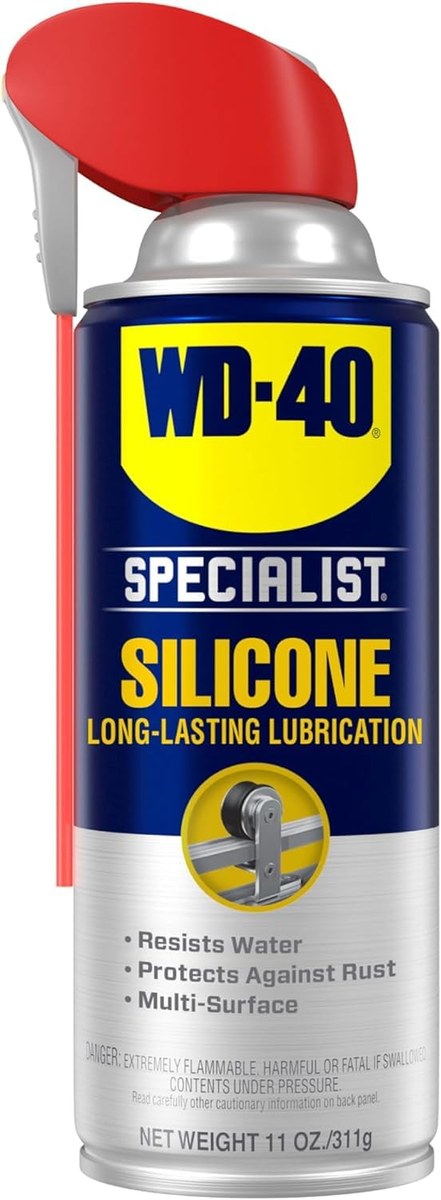
WD-40 Specialist Silicone Lubricant spray canBest lock lubricant

WD-40 Specialist Silicone Lubricant Spray

A dry silicone spray built for locks, hinges, and other moving parts that should not attract dirt over time.

Why we picked it: It is quick-drying, does not leave a sticky residue like penetrating oils, and is the lubricant type locksmiths most often recommend for lock cylinders.

Skip if: you specifically need a frozen lock thawed right now, use a dedicated de-icer for that instead.

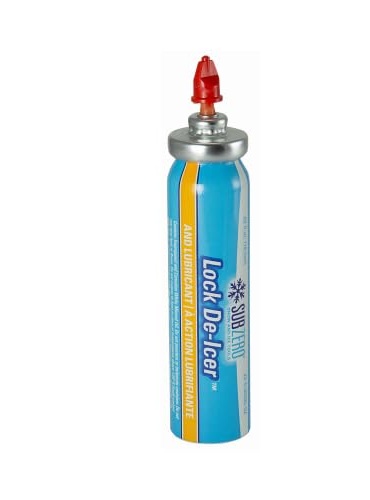
Victor Lock De-Icer Lubricant aerosol canBest de-icer for frozen locks

Victor Lock De-Icer Lubricant Aerosol

A pocket-sized aerosol de-icer built to thaw a frozen lock cylinder in seconds and lubricate it at the same time.

Why we picked it: It is small enough to keep in a coat pocket or glovebox, and using it before winter hits as a preventive lubricant works as well as using it to fix a lock that is already frozen.

Skip if: your locks never see freezing temperatures, a standard silicone spray covers routine maintenance instead.

Small pack of Duracell CR2032 batteriesBest key fob battery

Duracell CR2032 Batteries

A small pack of the coin batteries most car key fobs use, enough to cover a fob replacement now and a spare for later or a second vehicle.

Why we picked it: CR2032 is the size used by most car key fobs, and keeping a spare on hand turns a dead fob into a two-minute fix instead of an inconvenience.

Skip if: your vehicle uses a sealed or non-replaceable fob battery design, check your owner's manual first.

What we would skip

FAQ

What is the best lubricant for a car door lock?

A dry silicone or PTFE spray is the most commonly recommended option among locksmiths and lock manufacturers. It lubricates without attracting the dirt and grime that a wet penetrating oil like standard WD-40 tends to pick up over time.

Why does my car lock freeze in the winter?

Moisture already inside the lock cylinder, often from washing the car or rain the day before, freezes when temperatures drop overnight. Keeping the lock lubricated with a dry lubricant year-round reduces how much moisture can collect inside in the first place.

How often should I replace my key fob battery?

Most guidance points to roughly every one to two years for a standard CR2032 fob battery, or as soon as you notice a weaker signal or the need to press the button more than once.

Can I use boiling water to unfreeze a car lock?

No. Locksmiths consistently warn against this because it risks cracking cold plastic components and often leads to the water refreezing inside the lock, making the problem worse.

Do all car key fobs use the same battery?

Most use a CR2032 coin cell, but not all. Some newer luxury vehicles use fobs with sealed or non-user-replaceable batteries that require a locksmith or dealer to service. Check your owner’s manual or the fob itself if you are unsure.

Sources and accuracy note

This guide draws on current guidance from professional locksmith resources, WD-40’s own product documentation on silicone versus penetrating-oil lubricants, and consistent consumer and mechanic guidance on lock de-icing and key fob battery care. This is general maintenance information, not professional locksmith or vehicle repair advice.