Car Key Lubricant: What to Use for a Sticky Door Lock
A stiff mechanical door lock needs a careful, vehicle-specific approach. Start with your owner’s manual, use a lubricant made for locks only when it is compatible with your vehicle, and stop before forcing a key that does not turn.
We may earn a commission if you buy through links in this guide, at no extra cost to you.
Quick answer
There is no one lubricant that is right for every car door lock. The safe answer is to check the owner’s manual for your exact vehicle, then use a lock-specific product according to its directions. If the key will not turn with normal pressure, or it is bent, damaged, or trapped, stop and contact a qualified automotive locksmith or service department.

Use this guide for a mechanical key cylinder
This is for an exterior keyway that feels stiff, dirty, or frozen. It is not a repair guide for a failing key fob, a power-door-lock actuator, a broken key, or a door latch that will not release.
- Check your vehicle manual before applying any lubricant.
- Use a product intended for locks and follow its label.
- Do not force a key that binds or will not turn.
Last reviewed: August 11, 2026.
As an Amazon Associate, Actually Useful Deals earns from qualifying purchases. This does not change what we recommend.
Before you lubricate a car key cylinder
- Confirm that you are working on the exterior mechanical key cylinder, not an electronic-lock problem.
- Read the key and lock guidance in your vehicle’s owner’s manual. Manufacturers may specify products or warnings for their own lock hardware.
- Read the lubricant or de-icer label in full, including compatibility and application directions.
- Do not force the key. A binding lock may have a mechanical fault that lubricant will not solve.
What to avoid
Do not treat a general-purpose oil, grease, household cleaner, or an improvised heat or water method as a universal fix. Those choices can be incompatible with the vehicle, leave residue, or fail to address a damaged cylinder. When the source of the problem is unclear, professional diagnosis is the better next step.
Two purpose-made options
These are current, in-stock products with a specific lock-care use case. Neither is presented as a universal approval for every vehicle.
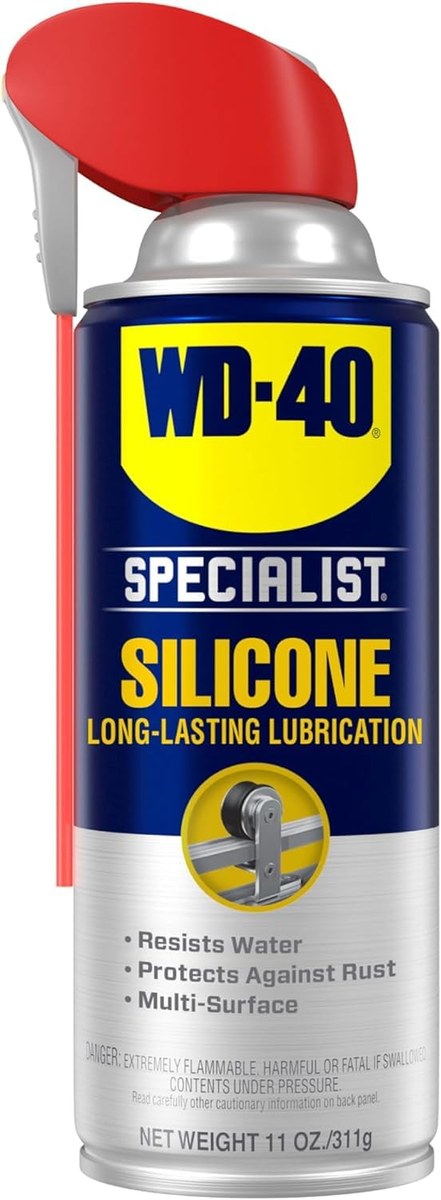 For a lock-specific lubricant choice
WD-40 Specialist Silicone Lubricant Spray
Use only after checking that a silicone lubricant is suitable for your vehicle and lock hardware. Follow the product label and your owner's manual rather than treating any general guide as vehicle-specific service advice.
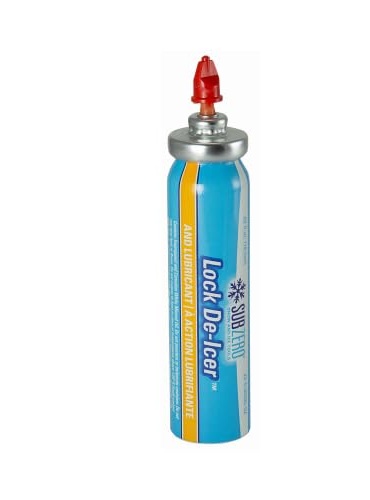 For a frozen exterior key cylinder
Victor Lock De-Icer Lubricant
This is a purpose-made lock de-icer. Keep it accessible outside the car if freezing is a real risk, and follow its label directions. A de-icer is not a substitute for diagnosing a damaged key, worn cylinder, or electronic-lock fault.
When to get help instead
Call a qualified automotive locksmith or your service department if the key is broken, the cylinder spins freely, the door will not latch or release, or the issue is with a remote or electronic lock. Those symptoms are not a reason to keep adding lubricant.
Related car guides
For the rest of your car-preparedness setup, see our roadside emergency kits, portable jump starters, tire inflators, and car vacuum cleaners. Browse more practical picks in Car Gear Deals.
Sources and accuracy note
This guide was refreshed against Ford’s official owner-manual library, which directs owners to model-specific documentation, plus the current manufacturer product documentation and current Amazon catalog records for the two featured lock-care products, checked August 11, 2026. Compatibility and application instructions vary by vehicle and product, so this page intentionally defers to your owner’s manual and the product label for any specific instruction.